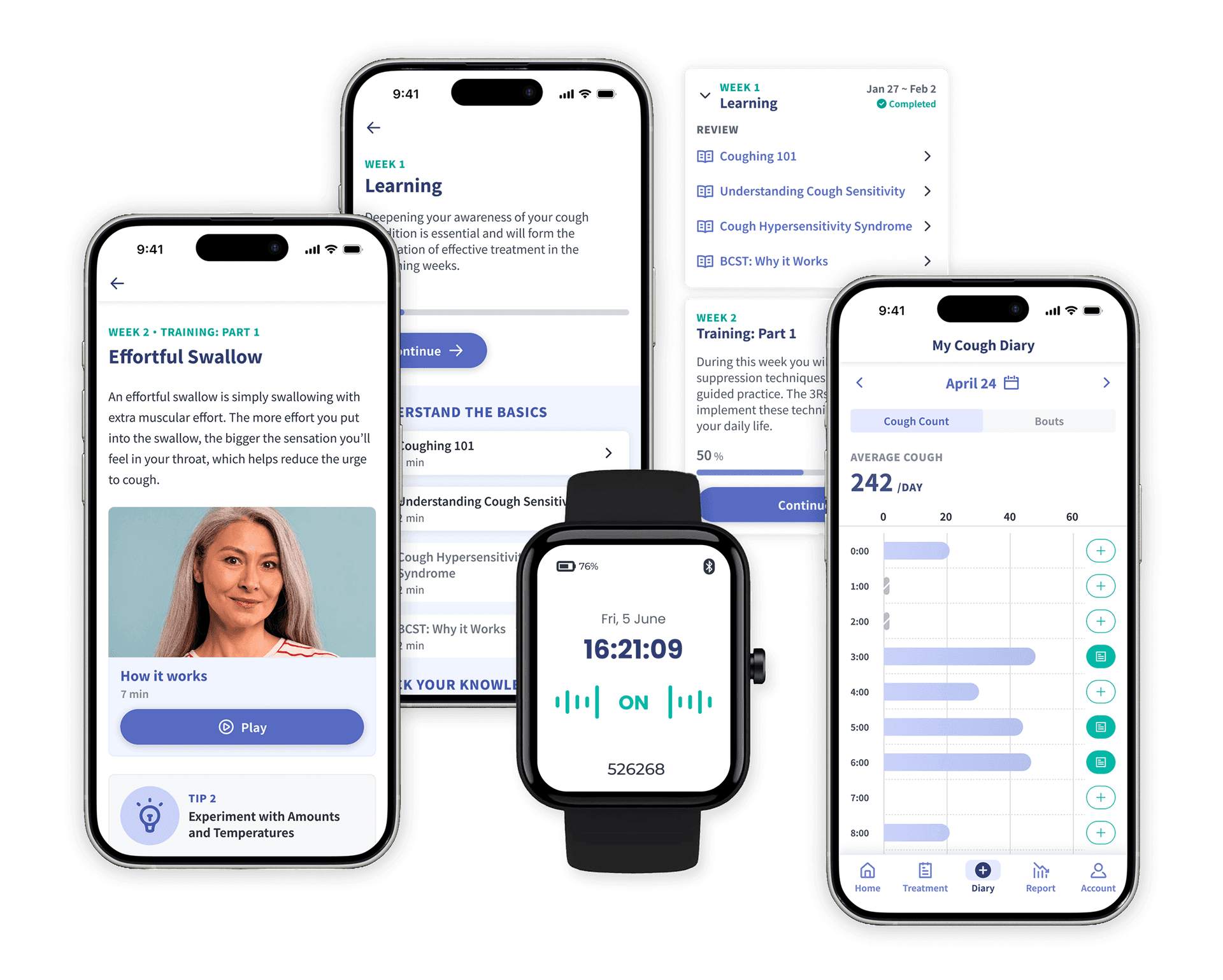
Interested in learning more about Hyfe? Read about all of our news, announcements and updates here!

Regulatory agreement, secured with partner KYORIN Pharmaceutical Co., Ltd., marks the first time Hyfe's automated CoughMonitor Suite will serve as a primary endpoint in a pivotal clinical trial - a precedent for objective digital endpoints in regulated drug and device development.
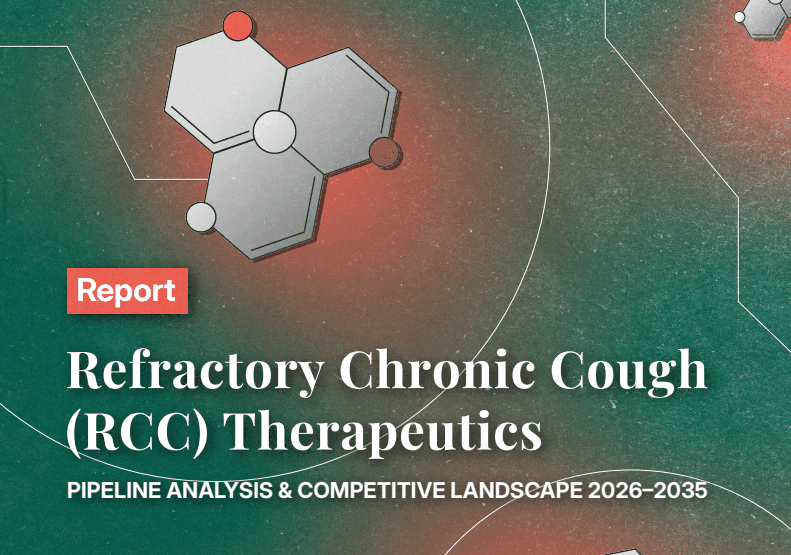
Comprehensive Chronic Cough Report reveals $15B opportunity. 100M patients, zero FDA-approved drugs, positioning digital cough monitoring as essential pharma infrastructure.

Review including Hyfe research evaluates continuous digital cough monitoring as a practical way to address limitations of patient-reported cough data
13 January 2026
Scoping Review in Lancet Digital Health Highlights the Importance of Objective Cough Counting Data in Disease Management
Review including Hyfe research evaluates continuous digital cough monitoring as a practical way to address limitations of patient-reported cough data
Wilmington, Del., Jan. 13, 2025 – A new scoping review published in The Lancet Digital Health examines the role of digital cough monitoring tools as objective, quantifiable measures of cough counts across a range of diseases. The review, which features global leader in AI cough care Hyfe, Inc., assesses the clinical practicality of continuous cough counting and its ability to address known limitations of patient-reported symptom data in real-world care settings.
The review, which pre-dates the release and adoption of Hyfe’s flagship clinical trial product CoughMonitor Suite, found that Hyfe’s cough-monitoring mobile app emphasizes the advantages of autonomous and continuous systems over contact-based ones, particularly when balancing real-world continuous monitoring with acceptable sensitivity (90 percent) and low false positives.
Led by Alexandra Zimmer, PhD, the review closely analyzed 77 studies evaluating digital cough monitoring tools, including Hyfe’s smartphone-based cough tracker app, now called CoughPro. Researchers looked at a variety of cough-counting platforms used in conditions such as asthma, chronic obstructive lung disease (COPD), chronic cough, tuberculosis, and COVID-19. The research team synthesized the different clinical and public health applications of these cough counting tools, assessed their alignment with patient-reported outcomes, and evaluated their readiness for broader implementation.
Key takeaways from the review include:
Patient-reported cough measures are valuable, but they are inherently subjective. Questions can be interpreted differently, recall varies, and for conditions that can be asymptomatic like tuberculosis, patients may not even perceive themselves as coughing at all. Objective monitoring offers a more consistent signal, which helps clinicians better understand disease activity and treatment response.
Dr. Alex Zimmer
McGill University
For Hyfe, these findings reinforce a growing consensus in respiratory medicine emphasizing objective data collection.
Objective, passive, and longitudinal monitoring tools are essential to complement subjective symptom reporting and help close the gap between clinical trials and everyday care. By combining objective data with patient experiences, we can improve therapeutic endpoint evaluation and enhance existing treatment protocols to better serve patients.
Peter Small
MD, CMO of Hyfe
To explore partnership opportunities or learn more about Hyfe’s digital therapeutic platform, visit hyfe.com or schedule a call here.
Hyfe, Inc. is the global leader in AI-powered cough-monitoring technology. The company’s patented machine-learning software enables passive, long-term monitoring of cough frequency, revealing novel health insights. Hyfe delivers cough-monitoring solutions that empower pharma and academic researchers to advance clinical trials, enable healthcare providers to optimize patient care, and power digital therapeutics to transform the management of respiratory illness, including chronic cough. Hyfe’s technology has been used in 50+ research studies, and its long-term partners include global pharma companies and leading academic institutions. More information is available at hyfe.com.
###
Media contact:
hyfe@ampublicrelations.com